How to Reduce Garage Door Noise: Expert Tips from Rated Garage Door Repair in Ontario, CA
Understanding Garage Door Noise
Garage doors can make a variety of noises, from clanking and grinding to squeaking and rattling. Understanding the reasons behind these sounds can help us address them effectively. Noise issues typically arise from:
- Worn-out parts: Over time, components like springs, rollers, and hinges may wear out and create noise.
- Improper installation: If a garage door isn't correctly installed, it may not operate smoothly, leading to excessive noise.
- Lack of lubrication: Friction between moving parts is a common culprit behind noisy garage doors.
Common Causes of Noise
Let's delve deeper into the specific sources of noise that you might encounter with your garage door:
1. Rollers and Tracks
The rollers and tracks are crucial to a garage door’s operation. When these components are dirty or worn out, they can produce loud sounds during operation.
2. Springs
Garage door springs are under significant tension. If they are old or damaged, they can create a popping or banging sound when the door opens or closes.
3. Hinges
Hinges that are rusty or worn will cause squeaking noises. Regular maintenance is essential to keep them functioning quietly.
4. Motor Noise
If your garage door is equipped with an opener, the motor can also be a source of disruptive noise. Older models tend to be noisier compared to newer, quieter options.
Practical Tips for Reducing Garage Door Noise
Now that we’ve identified common noise sources, here are actionable steps you can take to reduce garage door noise:
1. Regular Maintenance
Scheduling regular maintenance with a professional service like Rated Garage Door Repair can help identify and address potential noise problems before they become significant issues.
2. Lubrication
Applying lubricant to moving parts is one of the simplest ways to reduce noise. Use a silicone-based lubricant for:
- Rollers
- Hinges
- Tracks
- Spring coils
3. Upgrade Your Rollers
Consider replacing metal rollers with nylon rollers, which are significantly quieter. Nylon rollers can reduce noise by up to 50% while also offering durability.
4. Install a Soundproofing Kit
Installing a soundproofing kit can help absorb the sounds made by your garage door, minimizing noise transmission to your home. Look for kits that include:
- Soundproofing panels
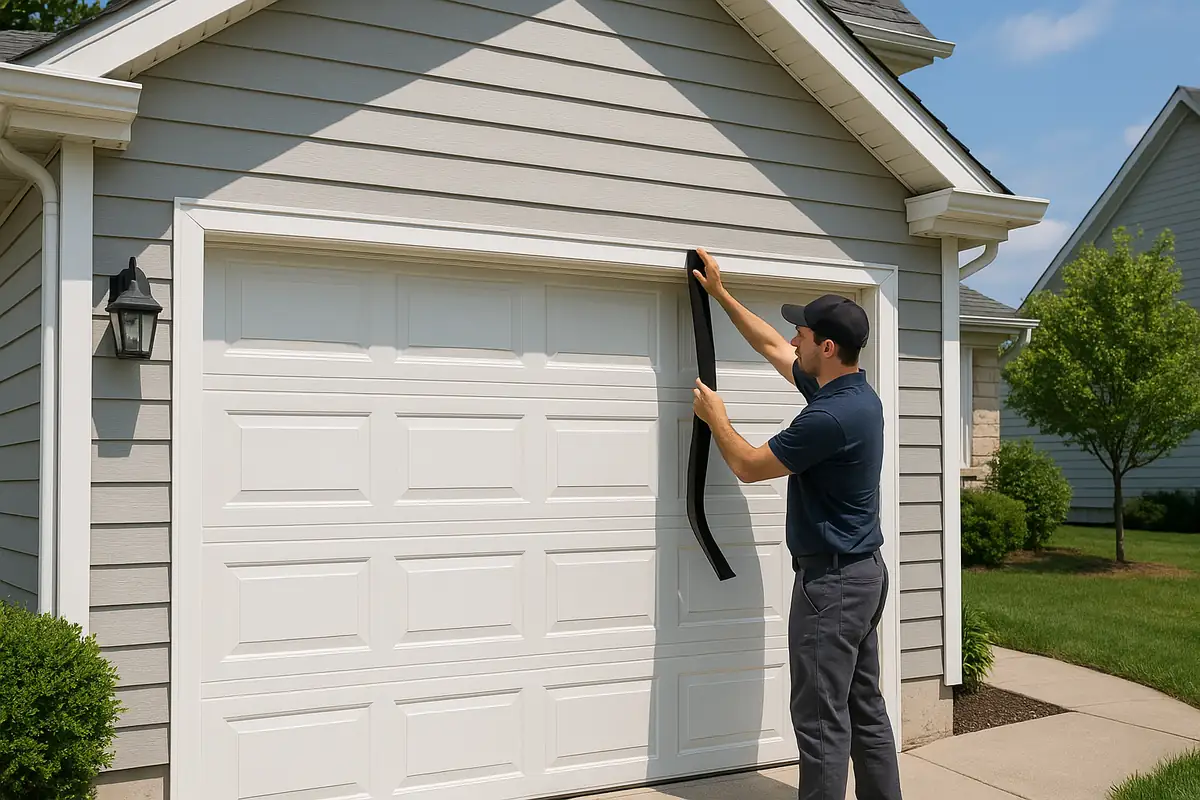
- Weather stripping
- Acoustic caulking
Statistics on Garage Door Noise
Did you know that approximately 70% of homeowners report that noisy garage doors disrupt their daily activities? Studies have shown that noise pollution can lead to increased stress levels and decreased quality of life. By addressing garage door noise, you’re not only improving your home’s comfort but also enhancing your overall well-being.
When to Call a Professional
Although many noise reduction strategies can be tackled on your own, some situations may require professional intervention. Consider contacting Rated Garage Door Repair if you experience:
- Persistent noise after maintenance
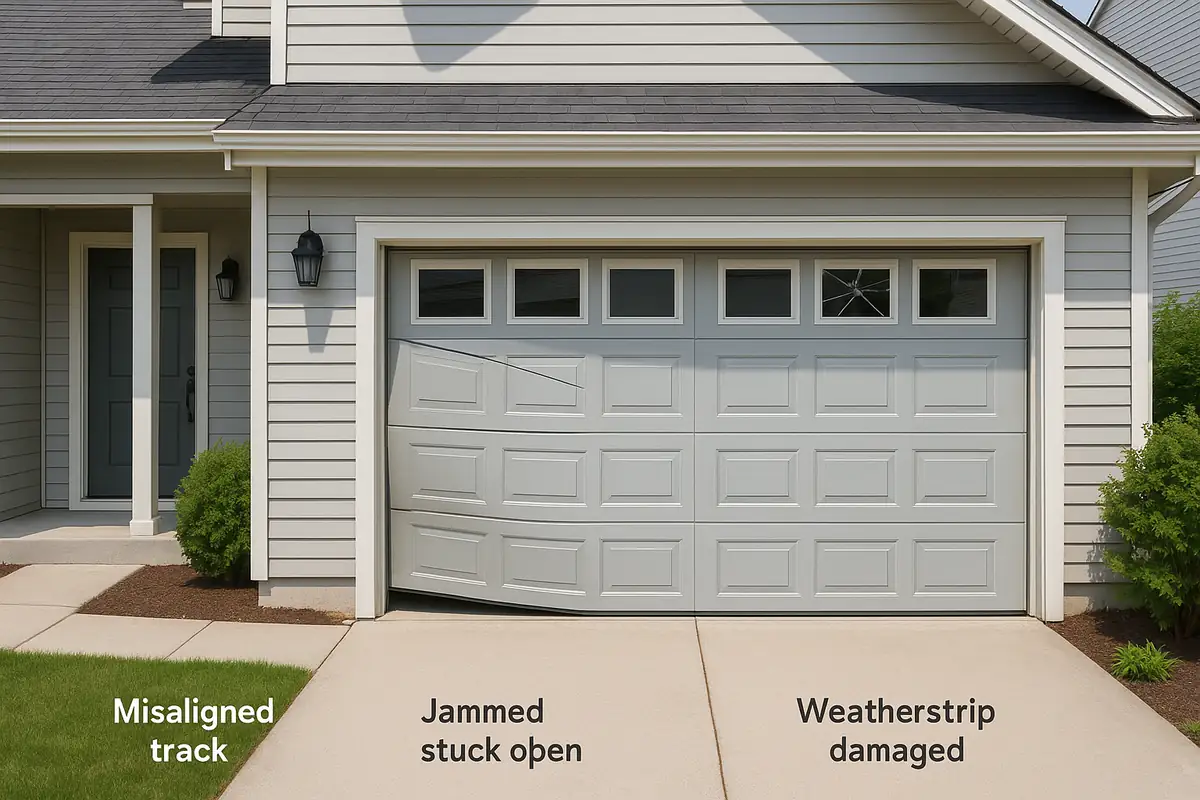
- Visible damage to components
- Difficulty in opening or closing your garage door
Conclusion: Enjoy a Quieter Home with Rated Garage Door Repair
Reducing garage door noise not only enhances your comfort but also prolongs the lifespan of your garage door system. Through regular maintenance, lubrication, and possible upgrades, you can greatly mitigate unwanted sounds. If you’re looking for expert assistance in Ontario, CA, don’t hesitate to reach out to Rated Garage Door Repair. Our team of professionals is ready to ensure your garage door operates smoothly and quietly.
Explore More Resources
Related Articles
Our Services
Professional garage door repair, spring repair, opener installation and more. View all services →

Gregory M.
View full profile
When to Replace vs Repair Your Garage Door | Rated Garage Door Repair
Best Garage Door Styles for Modern Homes in Ontario, CA | Rated Garage Door Repair